
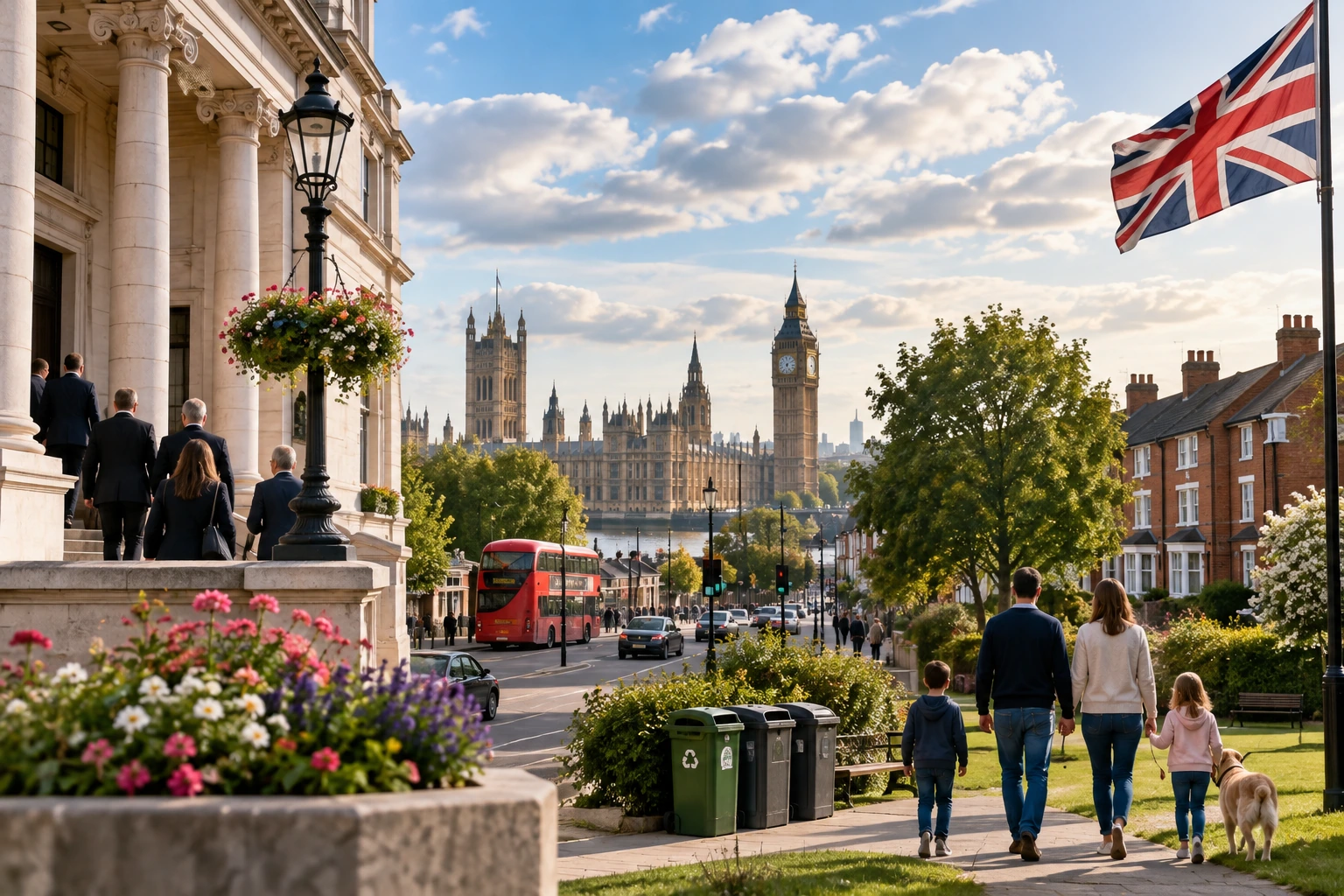
Government decisions are not limited to national laws, elections, or major political debates. Local governments make decisions that can directly affect the neighborhoods where people live, work, study, and operate businesses.
Road maintenance, waste collection, water services, public spaces, planning rules, transportation, building permissions, and local taxes are examples of areas that may involve local government, although the exact responsibilities vary between countries and levels of government. The World Bank and OECD note that municipal responsibilities commonly include services such as local roads, water and sewerage, waste management, parks, planning, and other community services.
Roads and Transportation
One of the most visible effects of local government decisions is the condition and organization of roads and transportation.
Local authorities in many places are involved in maintaining local roads, sidewalks, traffic systems, parking arrangements, and public transportation.
Decisions about road repairs, traffic management, pedestrian infrastructure, parking regulations, and public transit routes can affect commuting times and how easily people move around their communities.
Waste Collection and Cleanliness
Waste management is another service that residents experience regularly. Local authorities may oversee household waste collection, disposal, sanitation, recycling systems, and related environmental services.
The organization of these services can influence neighborhood cleanliness and environmental conditions. Local government decisions can determine collection schedules, disposal arrangements, recycling programs, and waste-related fees.
When these systems work effectively, residents may barely notice them. When they experience disruption, their importance becomes much more obvious.
Water and Sanitation
In many communities, local or municipal authorities have responsibilities connected to water supply, sewage, drainage, and sanitation. The exact division of responsibility varies depending on the country’s government structure.
These services have a direct connection to everyday household life. Infrastructure decisions can influence the availability, maintenance, and reliability of essential services.
Drainage systems can also become particularly important during heavy rainfall, when inadequate infrastructure may contribute to waterlogging or flooding.
Housing and Land Use
Local government decisions can influence how land is used and how communities develop. Planning and zoning rules may determine where residential, commercial, industrial, recreational, or other activities can take place.
Development approvals and land-use policies can therefore affect the construction of homes, shops, offices, schools, roads, and other facilities.
Planning decisions can also shape how neighborhoods grow over time. A new commercial development, housing project, road, or public facility can change traffic patterns and the demand for local services.
Parks and Public Spaces
Parks, playgrounds, recreational areas, gardens, and other public spaces contribute to the character of a community.
Local authorities may be involved in creating, maintaining, or managing these facilities. Decisions about investment, maintenance, accessibility, and permitted activities can affect how residents use public spaces.
These areas can provide opportunities for exercise, recreation, community events, and social interaction.
Local Taxes and Fees
Local government services require funding. Depending on the jurisdiction, local governments may receive money from taxes, transfers from higher levels of government, service charges, fees, or other sources.
Changes in local taxes or user fees can affect household and business budgets. At the same time, local authorities have to decide how available resources are distributed among competing needs.
For example, spending may need to be balanced between road maintenance, waste services, public spaces, infrastructure, and other local priorities. The specific choices available depend on the authority’s legal responsibilities and financial resources.
Business Activity and Local Development
Local government decisions can also affect businesses. Planning rules, permits, local infrastructure, parking arrangements, zoning, and development policies may influence where businesses can operate and how commercial areas develop.
A well-connected commercial area may attract customers more easily, while changes to roads, parking, construction activity, or zoning can affect how businesses operate.
Local economic development policies may also support tourism, markets, community events, and other activities that contribute to the local economy.
Environmental Conditions
Local authorities can have responsibilities involving waste, sanitation, green spaces, water, land use, and other environmental matters.
Decisions in these areas can affect air quality, neighborhood appearance, waste levels, green areas, and the management of local environmental risks.
Environmental policies may also influence construction and development by establishing requirements for particular types of projects.
Community Participation Matters
Because local decisions can have direct effects on neighborhoods, residents may benefit from paying attention to local government activities.
Depending on the jurisdiction, people may be able to participate through public consultations, community meetings, local representatives, petitions, planning processes, or other civic channels.
Understanding which level of government is responsible for a particular issue is an important first step. A problem involving a local road, for example, may need to be addressed differently from an issue controlled by a regional or national authority.
Why Local Decisions Matter
Local government can sometimes seem distant from everyday political discussions, but its decisions can be visible in ordinary routines. The road used for commuting, the collection of household waste, the planning of a new building, the maintenance of a neighborhood park, and local development rules can all be connected to municipal decision-making.
The exact responsibilities differ from place to place, so residents should check their own local government structure to understand who controls a particular service.
Ultimately, learning how local government works helps people better understand their communities and participate more effectively in civic life. Small decisions made at the local level can have practical effects on infrastructure, public services, businesses, neighborhoods, and the daily experiences of residents.