
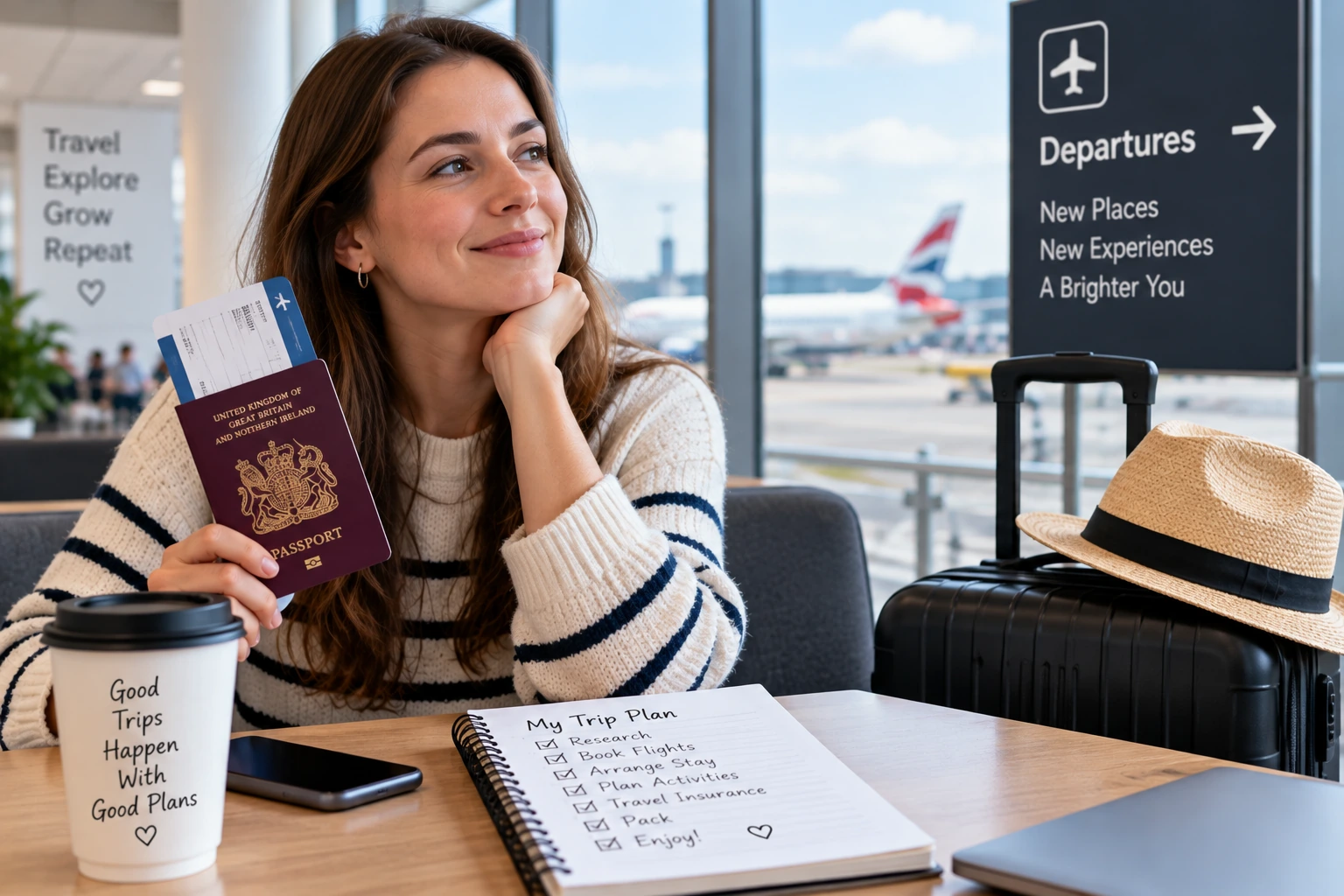
International travel can be an exciting opportunity to experience new cultures, food, landscapes, and ways of life. However, traveling abroad also involves more preparation than a domestic trip. Passports, visas, flights, accommodation, transportation, money, travel insurance, and local rules all need attention.
The good news is that careful planning can make the process considerably easier. By organizing important details before departure, travelers can reduce last-minute stress and enjoy their journey with greater confidence.
Start Planning Early
Begin by deciding where you want to go, how long you want to stay, and what type of experience you want. Consider the season, local weather, major attractions, and your overall travel budget.
Starting early gives you more time to compare flights and accommodations and handle documentation. It also provides a buffer if plans change or certain arrangements take longer than expected.
Check Passport and Visa Requirements
Your passport is one of the most important documents for international travel. Check its expiration date well before booking your trip and confirm whether your destination requires a minimum period of remaining validity.
Visa requirements vary depending on your nationality and destination. Some countries may offer visa-free entry, while others require an electronic authorization, e-visa, or traditional visa.
Always verify requirements through the relevant official government or embassy sources because entry rules can change.
Set a Realistic Travel Budget
Create a complete estimate rather than considering only airfare and hotel costs. Your budget may need to cover:
- Flights
- Accommodation
- Local transportation
- Food and drinks
- Attractions and activities
- Travel insurance
- Visa or entry fees
- Shopping
- Emergency expenses
Keeping a separate emergency allowance can provide additional flexibility if prices are higher than expected or an unexpected expense occurs.
Choose Flights Carefully
When comparing flights, look beyond the advertised fare. Check baggage allowances, layover durations, airport locations, cancellation conditions, and change fees.
A slightly cheaper flight may not necessarily be convenient if it involves extremely long layovers or expensive additional baggage charges.
For long international journeys, allowing enough time between connecting flights can also reduce stress.
Book Accommodation That Fits Your Plans
Location can be just as important as the accommodation itself. A hotel that looks inexpensive may become less convenient if it is far from major attractions or public transportation.
Consider the neighborhood, transportation options, check-in arrangements, cancellation policy, included facilities, and guest feedback.
If arriving late at night, confirm that the property can accommodate your arrival time.
Create a Flexible Itinerary
Planning every minute of a vacation can make travel exhausting. Instead, create a general daily structure.
Identify the places you most want to visit and group attractions located near one another. Leave some free time for exploring, relaxing, shopping, or simply enjoying the destination.
A flexible itinerary also makes it easier to handle delays or unexpected changes.
Organize Important Documents
Keep digital and physical copies of essential documents such as your passport, visa, flight confirmations, hotel bookings, travel insurance details, and emergency contacts.
Store digital copies securely so they can be accessed if the originals are lost or damaged.
It can also be useful to keep important booking information available offline in case you do not have reliable internet access after arriving.
Arrange Money and Payment Options
Before leaving, check how you will pay for everyday expenses. International travelers may use cards, cash, or a combination of both.
Inform your bank or card provider about international travel if required. Check foreign transaction fees and understand the process for obtaining local currency.
Carrying a reasonable emergency amount separately from your main wallet can also be useful.
Consider Travel Insurance
Travel insurance can provide financial protection against certain unexpected situations, depending on the policy. Coverage may include areas such as medical emergencies, trip interruption, baggage problems, or delays.
Before purchasing a policy, read the coverage conditions, exclusions, limits, and claim procedures carefully. The appropriate coverage depends on your destination, activities, and personal circumstances.
Research Local Customs and Transportation
Learning basic information about your destination before arriving can make daily travel smoother. Research public transportation, common payment methods, local etiquette, emergency numbers, and important cultural practices.
Knowing a few basic phrases in the local language can also make communication easier, particularly in places where English may not be widely spoken.
Prepare for Health and Safety Needs
Pack medications and essential personal items in accordance with airline and destination rules. If you take prescription medication, keeping it in its original packaging and carrying relevant documentation can be helpful.
Also research local healthcare facilities and emergency procedures before departure, especially when traveling to unfamiliar destinations.
Pack Strategically
Avoid packing more than you need. Check the weather forecast and plan clothing around the activities you expect to do.
Keep essential items such as travel documents, medication, chargers, valuables, and a change of clothes accessible during the journey.
A small travel organizer can make passports, cards, tickets, and other important items easier to manage.
Confirm Everything Before Departure
A few days before leaving, review your complete travel plan. Confirm flight schedules, accommodation, transportation arrangements, visa requirements, luggage allowances, and important reservations.
Download tickets, maps, translation tools, and other useful information in advance.
Enjoy the Journey
A stress-free international trip does not require every detail to go perfectly. It comes from preparing for the important things while leaving enough flexibility for the unexpected.
By starting early, organizing documents, creating a realistic budget, researching the destination, choosing suitable accommodation, and keeping an adaptable itinerary, travelers can spend less time worrying about logistics and more time enjoying the experience.